
This post contains some affiliate links
Friends,
The 1920s were a time of jazz, flappers, and, of course, the infamous Prohibition era in the United States. This decade was not just about the glitz and glamour; it marked a significant shift in American culture and politics—one that would lead to the rise of notorious figures like Al Capone. So, grab your favorite beverage (preferably something legal!) and let’s dive into the fascinating story of how Prohibition shaped America and gave birth to the legend of Capone.
The Roots of Prohibition
In the early 1800s, Americans were positively pickled in spirits: between 1800 and 1830, your average citizen over fourteen years of age guzzled the equivalent of nearly seven gallons of pure alcohol annually1—enough to keep a lamp burning for a month. Factory foremen distributed daily rum rations like clockwork, and many a canal was dug by men who’d already downed their morning pint. One New England mill even featured a barrel of whiskey with a dipper, placed conveniently beside the water bucket for workers to help themselves throughout their shifts.
In the late 19th and early 20th centuries, America found itself caught in a moral whirlwind, driven by the fervent efforts of temperance advocates who believed that alcohol was the root of societal ills. Picture this: women in long dresses and men in bowler hats rallying together with fervor, waving banners and chanting slogans like, “We want sobriety!” “Lips That Touch Liquor Shall Not Touch Ours!” “Gin is Sin!”
Leading Temperance Groups
The Women’s Christian Temperance Union (WCTU) emerged as a powerhouse, with leaders like Frances Willard championing the cause. They argued that alcohol was responsible for domestic abuse, poverty, and crime, creating a vision of a cleaner, more civilized society. Their meetings were like early political rallies, filled with passionate speeches, songs, and even prayer, as they sought to save families from the clutches of drunkenness.
Simultaneously, the Anti-Saloon League (ASL) was on the front lines, armed with persuasive pamphlets and laser-focused on political lobbying. This group took a more strategic approach, targeting lawmakers and pushing for legislation against saloons, which they deemed the epicenter of social decay. Their campaigns were often filled with dramatic imagery, depicting alcohol as a villain lurking in the shadows, ready to pounce on unsuspecting families.

With their catchy slogans and well-organized grassroots efforts, the ASL turned Prohibition into a national movement, igniting a passion for reform that ultimately led to the passage of the 18th Amendment in 1919. Little did they know, their noble intentions would set the stage for an era of speakeasies, gangsters, and the very chaos they sought to eliminate!
Not All Was Peaceful.
One of the leading characters for the temperance movement was Carrie Nation, a six-foot-tall battleaxe of a woman who’d burst into saloons, wielding her trusty hatchet, demolishing bars, smashing bottles, and shattering mirrors while belting out hymns at the top of her lungs.2 She sold souvenir mini-hatchet pins to fund her divine rampage against what she called “the devil’s spittle.” It is important to note that most temperance ladies preferred pamphlets to property damage in their crusade against liquid gold.3

American Stock/Getty Images
When Neal Dow, whom Portland, Maine’s Irish immigrants had already christened the “Napoleon of Temperance,” pushed through the new Maine Law banning alcohol sales statewide, the city’s Irish community recoiled. The law, with its narrow exceptions for medicine and industry, slithered into their lives like a serpent among seedlings. To them, this wasn’t public health legislation; it was Yankee culture waging war on their traditions.
In May 1855, whispers circulated through Portland that the Mayor had secretly stockpiled liquor within city limits. The truth was less scandalous but politically damaging: Dow had officially approved the purchase of $1,600 in alcohol designated for medical and industrial purposes, now secured in municipal vaults awaiting legitimate distribution to the city’s properly vetted citizens.
By teatime on June 2, some 200 curious souls had gathered outside the building where the contraband hooch was being sold. The crowd swelled hourly, fueled by rumors that the police were deliberately dragging their feet. By nightfall, the mob had mushroomed to somewhere between 1,000 and 3,000 (in a city where you couldn’t throw a cod without hitting one of its 21,000 residents). Eventually, someone lobbed a rock, someone else gave a shove, and the situation went from amusing to deadly. 4

Police flapped about like startled pigeons, utterly flummoxed by the growing mob, forcing Dow to summon the militia with what witnesses described as “theatrical arm-waving.” The exact details of the riot’s grand finale remain as contentious as a church bake-off judging. What nobody disputes, however, is that after bellowing at protesters—some still adjusting their hastily donned uniforms—they discharged their weapons into the crowd on Dow’s squeaky command.
One unfortunate soul, John Robbins, an immigrant and sailor from Deer Isle, met his maker, while seven others acquired exciting new stories to tell at taverns they weren’t legally supposed to frequent.
Fate’s sense of humor revealed itself when Dow was later prosecuted for violation of the Maine Law for improperly acquiring alcohol. The courtroom drama featured political heavyweights: former U.S. Attorney General Nathan Clifford prosecuting, while future Treasury Secretary William P. Fessenden mounted the defense.5 Though Dow escaped conviction, the spectacle helped doom his signature legislation, which voters overturned in 1856.
The Start of Prohibition: A Recipe for Chaos
January 17, 1920, marked the dawn of Prohibition, and you can bet it was anything but a quiet affair! As the clock struck midnight, the United States officially banned the manufacture, sale, and transportation of intoxicating liquors. Instead of a collective sigh of relief, chaos erupted across the nation.
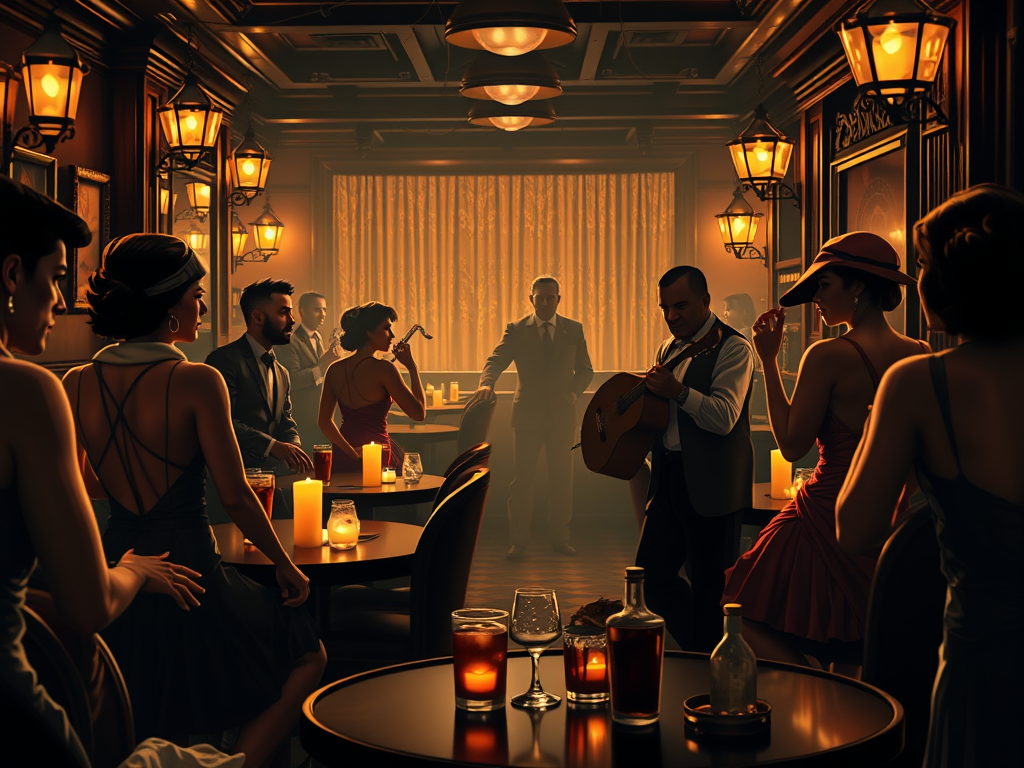
In cities from New York to San Francisco, speakeasies—secret bars that served bootlegged booze—were packed with revelers who raised their glasses in defiance of the new law.

Meanwhile, in countless homes, people scrambled to stash their favorite bottles, pouring out their precious whiskey down the drain or hiding it in secret compartments. Law enforcement faced an uphill battle, as their attempts to enforce the law often turned into comical escapades, with officers chasing after bootleggers in wild car chases or getting outsmarted by clever gangsters.
The irony was palpable: instead of curbing alcohol consumption, Prohibition transformed neighborhoods into vibrant hubs of underground drinking, jazz music, and flapper fashion, turning the nation into a spirited game of cat and mouse.
Enter Al Capone: The King of Prohibition
Al Capone’s journey in Chicago kicked off with all the flair of a classic gangster film, setting the stage for his legendary status during Prohibition. Arriving in the Windy City in the early 1920s, Capone quickly recognized the goldmine that illegal liquor represented. With his charming smile and sharp suits, he infiltrated the local underworld, establishing connections with powerful mobsters and soon rising to the top of the bootlegging hierarchy.
Capone didn’t just dabble in the trade; he revolutionized it! He set up a vast network of speakeasies and underground distilleries, ensuring that no one in Chicago went thirsty during the dry spell. His notorious operation was marked by both ruthless violence and shrewd business acumen; he didn’t shy away from eliminating rivals but also knew how to win public favor by donating to charities and providing jobs.

Capone’s influence was so immense that he became synonymous with Prohibition in Chicago, turning the city into a playground for illicit alcohol and a battleground for gang warfare. While the government thought they could eradicate drinking, Capone proved that with enough charisma and cunning, the party was just getting started!
The Two Heads of Law Enforcement
In the wild world of Prohibition, the line between law enforcement and lawlessness was as blurry as a speakeasy’s smoky interior, and criminals took full advantage of this chaos! With a wink and a nod, gangs and mafia leaders cozied up to a cadre of corrupt police officers who were more than willing to turn a blind eye to their bootlegging operations—often for a hefty price!6
Officers and city officials, driven by greed and a penchant for the high life, were effectively on the payroll, accepting bribes that would make a king blush. Imagine the scene: while trucks roared through the streets, loaded with illegal liquor, the very cops meant to enforce Prohibition were busy enjoying a tipple themselves, perhaps even at one of the city’s own hidden bars!
This symbiotic relationship not only protected ill-gotten empires but also fostered camaraderie among the ranks of the corrupt, where loyalty was bought and sold like cheap gin. As a result, men like Capone operated with impunity, turning Chicago and other cities into their personal playground. At the same time, the police force became an unwitting accomplice in their grand bootlegging scheme. Talk about a partnership that was truly “on the rocks”!
Side note:
Despite the popularity of newfangled Kodak cameras in the 1920s, no snapshot exists of Chicago’s finest hobnobbing with Al Capone. This photographic absence—rather convenient for all parties involved—made proving the “greased palm theory” about as easy as finding a temperance advocate in a speakeasy.
Calling in the Coast Guard?
While bootleggers stuffed whiskey bottles into hollowed-out loaves of bread and women sewed “hooch holsters” into their undergarments, the rum-runners of the waterways opted for nautical panache.7
At the outset of Prohibition, the modern Coast Guard was just a kindergartner—a five-year- old toddler with a Napoleon complex and a hand-me-down uniform, freshly returned to its Treasury Department playpen after being babysat by the U.S. Navy. The 9,000-plus Coast Guard personnel who’d served during the Great War had traded their sea legs for land legs only to find themselves suddenly tasked with chasing booze-smuggling speedboats in what would become history’s most elaborate game of “cops and robbers on water.

One of the most interesting Prohibition-era bootleggers, Bill McCoy, captained the schooner Henry L. Marshall, anchoring it just beyond territorial waters to peddle his wares. Unlike competitors who diluted their spirits with water or worse, McCoy offered only untampered bottles—a practice that birthed the enduring phrase “the real McCoy.” Thirsty customers would row out to his floating liquor store, knowing they’d receive genuine, full-strength alcohol rather than the watered- down hooch sold by less scrupulous suppliers along the coast.8
What followed was a Coast Guard expansion of such cartoonist proportions that Uncle Sam himself might have whistled in surprise: Personnel more than doubled from 4,000 to 10,000 salty souls. At the same time, a fleet of zippy new cutters—designed with the sole purpose of playing high-stakes tag with rum runners—splashed into service alongside 25 Navy destroyers, those grumpy old warhorses yanked from retirement and forced back into maritime crime-fighting like aging detectives in a B-rated film.
The End of Prohibition
The end of Prohibition in the United States in 1933 was like the grand finale of a fireworks show—colorful, explosive, and long overdue! After over a decade of dry laws that led to speakeasies, bathtub gin, and a rise in organized crime, Americans were ready for a change. The Great Depression had hit hard, and with unemployment soaring and the economy crumbling, the government realized that legalizing alcohol could provide a much-needed boost. It wasn’t just about the booze; it was about jobs, tax revenue, and restoring a sense of normalcy.

The 21st Amendment, ratified on December 5, 1933, officially repealed Prohibition, allowing Americans to raise their glasses and toast to freedom once again! As the corks popped and the bars reopened, the atmosphere was electric. Gone were the days of covertly slipping into back-alley speakeasies; now, Americans flocked to glittering nightclubs, eager to enjoy their favorite cocktails without fear of a police raid.
The end of Prohibition not only marked a return to the celebration of spirits but also signaled a shift in public attitude towards alcohol consumption. It highlighted the failures of the dry laws. It ushered in a new era of regulation, where the government could oversee the production and sale of alcohol—ensuring quality control and safety.
So, whether you were a flapper dancing the night away or a weary worker looking for a cold drink after a long day, the end of Prohibition was a jubilant moment in American history, proving that sometimes, it’s best to embrace the things that make life a little more spirited!
Final Thoughts
The era of Prohibition was a pivotal moment in American history, showcasing the complexities of human behavior and the unintended consequences of legislation. It gave rise to a cultural revolution, a new wave of crime, and the legendary figure of Al Capone. Though Prohibition ended, its effects lingered, shaping the American landscape for years to come.
As we reflect on this tumultuous time, it’s clear that sometimes the laws we create can lead to the very chaos we aim to prevent.
Side note
I am asked where I start my research, especially when it concerns American history of the ‘less than savory’ kind. The Library of Congress website is my digital rabbit hole of choice, but nothing beats losing track of time in the FBI Records: The Vault.
Did you know J. Did Edgar Hoover keep files on Eleanor Roosevelt’s supposed Communist sympathies? Or that there’s a whole folder dedicated to reports of a “flying disc” that crashed in Roswell? Between redacted lines and bureaucratic jargon, you can practically smell the cigarette smoke and hear the clack of typewriter keys from Hoover’s desk.
Until next time, Keep Reading and Stay Caffeinated.
For those hungry to explore more, click below to find additional readings:

Prohibition: Thirteen Years That Changed America. Here is the full, rollicking story of those tumultuous days, from the flappers of the Jazz Age and the “beautiful and the damned” who drank their lives away in smoky speakeasies to bootlegging gangsters—Pretty Boy Floyd, Bonnie and Clyde, Al Capone—and the notorious St. Valentine’s Day Massacre. Edward Behr paints a portrait of an era that changed the country forever.

Last Call: The Rise and Fall of Prohibition. By the 1820s, liquor flowed so plentifully that it was cheaper than tea. That Americans would ever agree to relinquish their booze was as improbable as it was astonishing. Yet we did, and Last Call is Daniel Okrent’s dazzling explanation of why we did it, what life under Prohibition was like, and how such an unprecedented degree of government interference in the private lives of Americans changed the country forever.
Subscribe below to stay up to date on myths, legends, mysteries, and the chaos of history.

If you’re looking for your next favorite read, I invite you to check out my book, The Raven Society. This spellbinding historical fantasy series takes us on a heart-pounding journey through forgotten legends and distorted history. Uncover the chilling secrets of mythology and confront the horrifying truths that transformed myths into monstrous realities. How far will you go to learn the truth?
The Writer and The Librarian (Book 1):
Signed copies at:
https://rlgeerrobbins.com/product/the-writer-and-the-librarian-the-raven-society-book-1/
Explore more blogs here:
Footnotes:
- Battling demon rum : the struggle for a dry America, 1800-1933 : Pegram, Thomas R., 1955- : Free Download, Borrow, and Streaming : Internet Archive ↩︎
- Nation, Carry Moore | The Encyclopedia of Oklahoma History and Culture ↩︎
- Prohibition and Violence by Richard Hamm ↩︎
- The Portland Rum Riot of 1855 Ends a Teetotaler’s Career – New England Historical Society ↩︎
- Revolts, Protests, Demonstrations, and Rebellions in American History: An Encyclopedia. Santa Barbara, Calif.: ABC-CLIO. pp. 365–367 ↩︎
- Sullivan, Edward D. Rattling the Cup on Chicago Crime. New York: The Vangaurd Press, 1929 ↩︎
- Rum War: The U.S. Coast Guard and Prohibition | Defense Media Network ↩︎
- ‘The Real McCoy’ | Naval History Magazine – February 2020, Volume 34, Number 1 ↩︎
Sources:
Carry A. Nation – SHSMO Historic Missourians
A brief history of the Woman’s Christian Temperance Union : outline course of study for local unions

What are your thoughts?